



1896년 3월 초의 어느 쌀쌀한 아침, 에티오피아 북부의 험준한 고원 지대에는 수천 명의 농부, 목동, 장인, 사제, 상인들이 어깨를 나란히 하고 서 있었습니다. 그들은 낡은 샌들을 신고 몇 주를 걸어왔으며, 전통 무기와 기본적인 식량만을 챙긴 채 한 가지 공통된 신념을 품고 있었습니다. 그것은 바로 ‘우리의 땅을 결코 빼앗기지 않겠다’는 의지였습니다.
당시 근대화된 유럽 군대는 고요하고 자신만만하게 언덕을 가로질러 아두아(Adwa)라는 작은 마을로 진격하고 있었습니다. 제국주의 시대였던 당시, 아프리카의 거의 모든 지역은 이미 분할되고 정복된 상태였습니다. 에티오피아 밖의 많은 이들은 이 상황을 ‘강자는 확장하고 약자는 굴복한다’는 역사의 전형적인 결말로 치부했습니다.
하지만 에티오피아는 그 각본에 따르기를 거부했습니다.
메넬리크 2세(Menelik II) 황제와 타이투 베툴(Taytu Betul) 황후는 수년간 세계 정세를 읽고 지도와 조약을 연구하며 공통의 목표를 위해 여러 영토를 하나로 결집시켰습니다. 특히 날카로운 통찰력과 타협하지 않는 기개를 가졌던 타이투 황후는 종속을 의미하는 그 어떤 합의도 받아들이지 않았습니다. 위협이 눈앞에 닥쳤을 때, 산맥과 계곡 사이로 명확한 경고가 울려 퍼졌습니다.
“함께 맞서지 않으면 모든 것을 잃게 될 것이다”
3월1일, 그 결의는 시험대에 올랐습니다. 전투는 격렬했고, 언덕은 먼지와 연기로 뒤덮였습니다. 그러나 시간이 흐르며 믿기지 않는 현실이 나타났습니다. 침략군이 무너진 것입니다. 전열은 붕괴되었고 병사들은 흩어져 퇴각했습니다. 아프리카의 한 국가가 유럽의 강대국을 압도적으로 격파하고, 독립을 공식적으로 인정받는 순간이었습니다.
아두아의 승전보는 널리 퍼져 나갔습니다. 외국 깃발 아래 있던 아프리카 마을 곳곳에서 사람들은 “그들이 해냈다”라고 속삭였습니다. 에티오피아의 승리는 외세의 권력에 맞서던 식민지 아시아 국가들에게도 희망의 불꽃이 되었습니다. 아두아는 아메리카와 유럽의 흑인들에게 ‘제국이 곧 운명은 아니다’라는 사실을 증명해 보였습니다.
대륙 반대편에서 한국인들 역시 같은 세계적 흐름 속에서 다른 형태의 아픔을 겪고 있었습니다. 아두아 전투 15년 후 한국은 국권을 침탈당했고, 언어와 문화는 억압 받았습니다. 당시 지배자들은 역사가 강자의 지배라는 단 한 가지 방향으로만 흐른다고 주장했습니다. 하지만 1919년, 한반도 전역에서 3·1 운동이 일어났습니다. 이는 국가의 혼은 강압적인 명령으로 파괴될 수 없음을 선포한 사건이었습니다.
아두아 전투와 3·1 운동은 서로 다른 대륙, 다른 깃발 아래서 탄생했습니다. 그럼에도 두 사건은 하나의 심장박동을 공유합니다. 그것은 ‘어떤 나라는 지배하기 위해 태어났고, 어떤 나라는 복종하기 위해 태어났다’는 논리를 거부하는 것입니다. 두 사건 모두 광장과 들판에 모인 평범한 사람들이 제국의 목소리보다 더 크게 외칠 수 있음을 보여주었습니다.
수십 년 후, 이 유대감은 현실이 되었습니다. 한국전쟁 당시 에티오피아 군인들은 유엔군의 일원으로 바다를 건너와 싸웠습니다. 제국주의적 야욕에 맞서 홀로 독립을 지켜냈던 나라의 아들들이, 이제는 다른 나라의 자유를 지키기 위해 한국 땅에 피를 흘린 것입니다. 자신의 독립을 수호했던 이들이 한국의 자유를 수호하는 데 힘을 보탰다는 사실은 조용하지만 강력한 인연의 끈입니다.
아두아 전투 130주년이 된 오늘날, 전쟁터는 바뀌었습니다. 이제는 시장, 기술, 정보, 금융이 군대만큼이나 큰 영향력을 행사합니다. 그러나 근본적인 질문은 여전히 유효합니다.
‘국가들이 스스로의 존엄을 지키며 자신의 길을 결정할 수 있는가?’
에티오피아 사람들에게 이 기념일은 단순한 추모 그 이상이며, 현재 진행형인 과업입니다. 한국이 식민 지배와 전쟁의 폐허 속에서 국민의 역량과 기술, 결단력을 모아 다시 일어섰듯이, 에티오피아 역시 경제적·사회적 측면에서 ‘아두아의 역사를 새로 쓰기’ 위해 노력하고 있습니다. 승리의 정신을 지속 가능한 발전으로 전환하여, 타인의 시혜가 아닌 에티오피아인의 손과 머리로 댐과 공장, 학교, 디지털 네트워크를 건설하고 있습니다.
서울, 부산, 인천 그리고 그 너머의 한국 독자들에게 아두아는 먼 아프리카의 전설만이 아닙니다. 그것은 식민주의와 갈등을 딛고 민주주의와 번영으로 나아간 한국의 여정을 비추는 거울입니다. 진정한 독립이란 단순히 전투에서 이기거나 조약에 서명하는 것이 아니라, 스스로의 발로 당당히 일어서기 위한 고통스럽고 끈기 있는 노력임을 상기시켜 줍니다.
아두아 130주년을 기억하는 것은 과거에 머무는 일이 아닙니다. 그것은 공동의 미래를 바라보는 일입니다. 한국과 에티오피아를 비롯한 많은 국가들은 저항의 역사를 원망의 근거가 아닌, 대담하고 자립적인 발전을 위한 토대로 삼고 있습니다.
오래전 아두아의 언덕에서 평범한 사람들은 당대의 ‘당연시되던 운명’을 뒤엎었습니다. 그들의 메시지는 대륙과 세대를 넘어 오늘날에도 울려 퍼지고 있습니다. 미래는 먼 곳의 수도에서 결정되는 것이 아니라, 자신의 자유와 꿈을 포기하지 않기로 결심한 이들에 의해 매일 새롭게 쓰여진다는 사실을 말입니다.
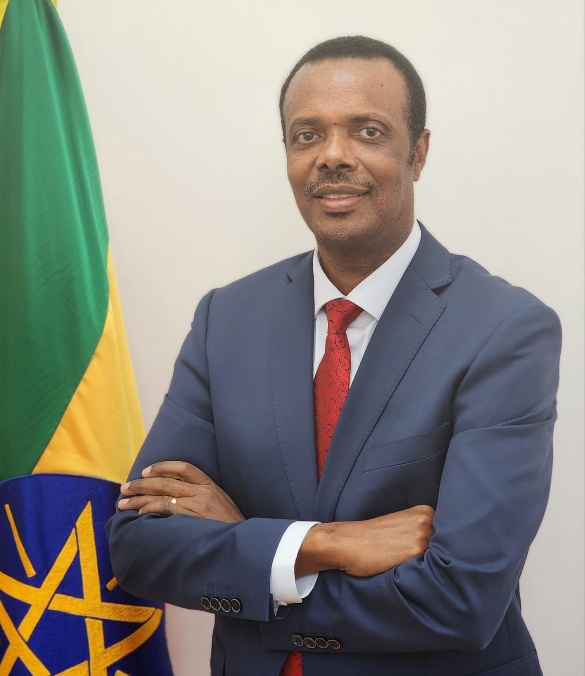
Dessie Dalkie Dukamo, Ambassador Extraordinary and Plenipotentiary, the Federal democratic Republic of Ethiopia to the Republic of Korea.
Adwa’s Echo in Korea: A Shared Story of Dignity and Freedom
On a chilly morning in early March 1896, in northern Ethiopia's challenging highlands, thousands of farmers, herders, artisans, priests, and merchants stood shoulder to shoulder. They had walked for weeks in worn sandals, armed with traditional weapons and carrying only basic food, and held a common belief: their land would not be seized.
A modern European army advanced quietly and confidently across the hills, approaching the little village of Adwa. During the era of the empire, virtually all of Africa had already been divided and conquered. Many people outside Ethiopia assumed this was just another chapter in a classic story: the strong expanding and the weak submitting.
But Ethiopia refused to be written in that manner.
Emperor Menelik II and Empress Taytu Betul had spent years reading the world, studying maps and treaties, and uniting various territories for a common goal. Taytu, sharp-eyed and uncompromising, refused to accept any arrangement that implied subordination. When the threat could no longer be denied, a clear warning echoed across the mountains and valleys: stand together or lose everything.
On March 1, the message was tested. The combat was violent and puzzling; dust and smoke covered the hills. However, as the day progressed, what had seemed unbelievable became reality: the invading force collapsed. Its lines broke down, and its soldiers dispersed in retreat. An African nation had overwhelmingly defeated a European power, resulting in formal recognition of its independence.
Adwa's word spread far and wide. People whispered, "They did it," in African villages under foreign flags. Ethiopia's victory became a silent spark of hope in colonised Asia, where other countries were bracing themselves against foreign authority. Adwa demonstrated to Black populations in the Americas and Europe that empire was not destiny.
On the other side of the continent, Koreans experienced a different version of the same global drama. Fifteen years after Adwa, Korea was seized, and its language and culture were suppressed; its people claimed that history went only one way: toward the powerful's dominion. However, in 1919, the March 1st Movement erupted across the peninsula, declaring that a nation's soul could not be destroyed by order.
Adwa and March 1st were born on different continents and under different flags. Still, they share a common heartbeat: an unwillingness to accept that some nations are born to dominate and others to obey. Both events demonstrated how ordinary people, assembled in fields and streets, can speak louder than empires.
Decades later, this relationship became tangible. During the Korean War, Ethiopian soldiers crossed oceans to fight for the UN Command. They came from a country that had previously stood alone against imperial ambition, and they poured blood on Korean soil so that another nation could remain free. It is a quiet but powerful thread: those who had defended their own independence helped defend Korea’s.
Today, 130 years after Adwa, the battlefield has changed. Markets, technology, information, and finance exercise as much influence as soldiers. However, the basic question remains: can nations decide their own course while maintaining their dignity?
In Ethiopia, many people consider this occasion as more than just a remembrance; it is a continuation. Just as Korea rebuilt and rose after colonial rule and war by mobilising its own people, skills, and determination, Ethiopia is attempting to "rewrite Adwa" in economic and social terms: to transform the spirit of victory into sustainable development led by its own resources, innovators, and citizens. The same drive that once defended the highlands of Adwa now seeks to construct dams, factories, schools, and digital networks — not as gifts from others, but as the work of Ethiopian hands and brains.
Adwa is more than just a distant African legend for readers in Seoul, Busan, Incheon, and beyond. It is a mirror that reflects Korea's own transition from colonialism and conflict to democracy and prosperity. It serves as a reminder that true independence entails not just winning a fight or signing a treaty, but also the hard, patient effort of standing on one's own two feet.
Remembering Adwa at 130 isn't only about the past. It is about seeing a common future: Korea and Ethiopia, among many other countries, are using their histories of resistance not as sources of resentment, but as foundations for bold, self-directed development.
Ordinary people long ago overturned their era's "certainties" in the hills of Adwa. Their message continues to resonate across continents and generations: the future is not written just in distant capitals. It is written repeatedly by those who are determined not to give up their freedom or their dreams.